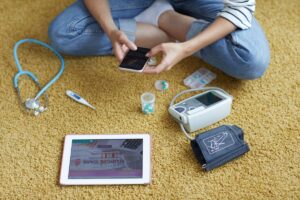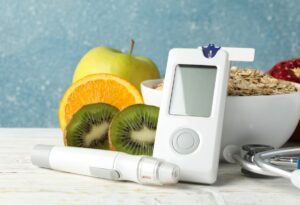

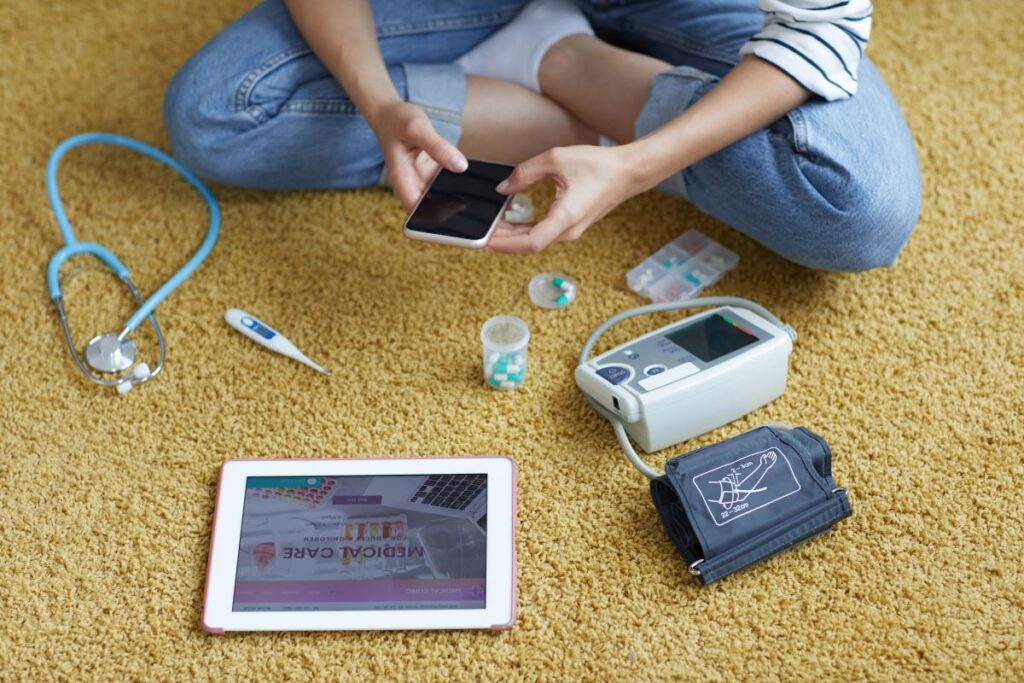
Summary: Medical devices are associated with important psychological benefits and requirements that impinge on motivation and acceptability. Fifteen factors were identified in a short literature review.
Medical devices exist because they improve the wellbeing of patients. From a medical standpoint, we would expect a positive effect on physical wellbeing. At the same time, the user should expect positive effects that go beyond the functional or therapeutic benefit of a device. But what are those benefits?
In this note I will be focusing on devices that are mostly used by patients themselves. There are excellent propositions in the scientific literature that together point toward additional aspects that must be taken into consideration in design and evaluation of devices. Four publications were referenced to arrive at this list of experiential factors.
- Self-esteem1. A medical device intended for patient use requires dexterity and initiative. A device needs to lead patients to feel good about themselves.
- Social interest1. Ideally, a medical device should be designed in a way that sparks a sense of curiosity. It should have appeal in order to facilitate social exchange.
- Mobility2. Devices should allow patients to go about their lives as unencumbered as possible.
- Self-care2. A device should instill and support a sense of personal action.
- Usual activities2, practicality3 and portability3. Medical devices should support the lifestyle of users.
- Pain or discomfort2. Obviously, a medical device should minimize this aspect.
- Anxiety and depression2. The medical device should not be a cause of psychological pain.
- Safety3,4. The feeling of safety is critical for adherence.
- Durability3. In disposable devices, we might want to think of this as a sense of sturdiness.
- Aesthetics3. Appeal is a psychological dimension that enhances motivation.
- Acceptability in children3. Children need to feel attracted to a self-use device in order to feel motivated.
- Ease of use4. Judging a device as easy to use is a critical motivational factor.
- Functionality4. A design factor, this also has psychological dimensions as a device must convey the sense that it is accomplishing what it is supposed to do.
- Delightfulness4. This is an aspect that coincides with aesthetics but also functionality.
- Ability to personalize5. Individuals like to feel a device is theirs and they might want to make the device adapt to who they are.
This short review identifies 15 areas that medical device experience research should explore in relation to device preference studies. The list is not meant to be exhaustive, but it does show the vastness and complexity associated with medical device adoption at the patient level. Medical device developers and associated marketers need to pay attention to factors like these to ensure patient satisfaction and device acceptability.
References
- Thomson R, Martin JL, Sharples S. The psychosocial impact of home use medical devices on the lives of older people: a qualitative study. BMC health services research. 2013 Dec;13:1-8.
- EuroQol Research Foundation (2024). EQ-5D-5L [Internet]. Cited 2024 May 29. Available from: https://euroqol.org/information-and-support/euroqol-instruments/eq-5d-5l.
- Sansoni S, Torrens GE, Yang F, Suroya SH, Wang Y. Medical device or fashion accessory? A case study of a redesigned child’s prosthetic upper limb applying principles of perception and semantics to reframe social acceptance. Proceedings of the Design Society. 2023 Jul;3:2615-24.
- Story MF. Medical devices in home health care. InThe role of human factors in home health care: workshop summary 2010 (pp. 145-172). National Academies Press, Washington, DC.